


How to Build a Brand That Justifies a Premium Price in India

Two products. Identical ingredients. Identical manufacturing process. One sells for ₹299. The other sells for ₹899.
Same product. Three times the price. And the ₹899 version consistently outsells the ₹299 version in its target market.
This happens every day in India in skincare, in supplements, in food, in beverages, in personal care. And it has almost nothing to do with the product inside.
It has everything to do with the brand outside.
Premium pricing in India is not a product decision. It is a brand decision. And the brands that command premium prices are not accidentally premium they are deliberately built to be perceived that way.
This guide explains exactly how.
Why Premium Pricing Is a Brand Problem, Not a Product Problem
Before we talk about how to build a premium brand, we need to demolish the most common misconception about premium pricing in India.
Most founders believe that premium pricing requires a premium product, superior ingredients, better manufacturing, higher quality inputs. And while product quality matters, it is not what makes consumers willing to pay a premium.
Consider the evidence.
A bottle of water is a bottle of water. Yet Evian sells for 10 times the price of a local mineral water brand in the same retail store. The water inside is not 10 times better. The experience of buying, holding and drinking it is.
A plain white T-shirt from a fast fashion brand costs ₹299. The exact same garment same fabric, same cut, same manufacturing origin carries a designer label and sells for ₹2,999. The cotton is identical. The brand is not.
Indian consumers who buy Forest Essentials over a generic ayurvedic competitor are not paying for better ingredients most Indian herbs and botanicals are identical across brands. They are paying for the story, the ritual, the trust and the identity that Forest Essentials has built around those ingredients.
Premium pricing is the result of brand perception. Build the right perception and consumers will pay the premium. Fail to build it and no amount of product investment will justify the price.
The 6 Foundations of a Premium Brand in India
1. A Positioning So Clear It Excludes Someone
The first requirement of premium brand building is the one most founders resist most strongly narrowing down.
Premium brands are not for everyone. They cannot be. The moment a brand tries to appeal to the widest possible audience, it stops being premium and becomes generic. Generic brands compete on price. Premium brands don't.
Mamaearth built its premium positioning by being clearly and exclusively for parents who want toxin-free products for their families. Not for everyone who wants skincare. Not for everyone who cares about natural ingredients. For that specific parent, with that specific concern.
Forest Essentials built its premium positioning by being the brand for consumers who want luxury Ayurveda not mainstream Ayurveda, not mass-market natural products, but genuine luxury rooted in ancient Indian traditions. Every product, every campaign, every visual decision reinforces this specific positioning.
The narrower and more specific your positioning, the more premium you can price within that position.
The question every Indian founder building a premium brand needs to answer with uncomfortable specificity: who exactly is this brand for, and who is it deliberately not for?
If your answer includes everyone your brand is not premium. Not yet.
2. A Visual Identity That Communicates Premium Before A Word Is Read
Premium perception is built in milliseconds. Before a consumer reads your brand name, before they register your tagline, before they understand your positioning they have already formed an impression based entirely on visual signals.
This is why premium brands invest disproportionately in visual identity. Not because it looks nice. Because it does work.
The visual signals that communicate premium in the Indian market:
Restraint in design Premium brands use less, fewer colours, fewer fonts, fewer visual elements. The white space on a premium pack is not empty. It is confidence. It says: our quality speaks for itself without decoration.
Typography precision Premium brands use typefaces with intention. A considered serif communicates heritage and authority. A refined sans-serif communicates modernity and accessibility. Either can be premium but both require precision in weight, spacing and hierarchy that generic brands consistently get wrong.
Colour intelligence Premium brands choose colours strategically not because the founder likes them, but because they signal the right positioning within the category. In Indian wellness, earthy neutrals and deep greens signal natural premium. In Indian FMCG, deep jewel tones signal artisanal quality. In Indian D2C, clean whites and sophisticated pastels signal modern premium.
Material and finish signals On packaging especially the material, finish and weight of the pack communicates premium independently of the design. A matte soft-touch finish signals premium before the consumer reads a word. A heavy glass bottle signals quality before the product is tasted. These physical signals work at the subconscious level and are among the most powerful premium cues available.
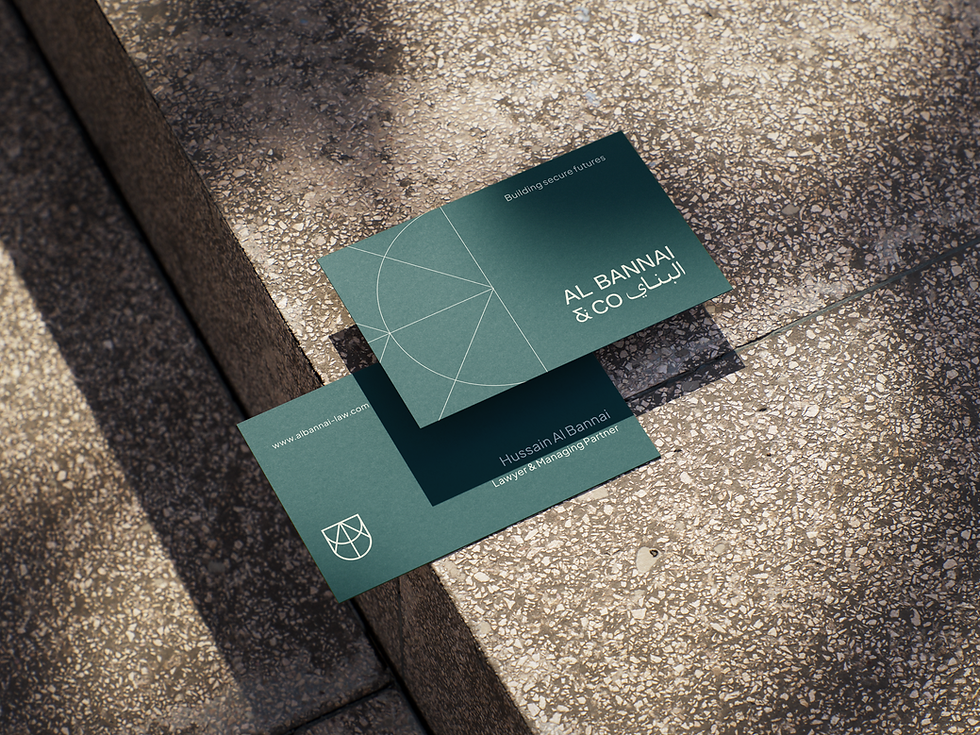
Consistency across every touchpoint The most important visual signal of premium is consistency. A premium brand looks identical on its packaging, its website, its Instagram, its business card and its shipping box. This consistency signals control, intention and investment all of which the consumer translates into quality.
3. A Brand Story That Creates Meaning Beyond The Product
Premium consumers are not buying a product. They are buying into a story, a set of values and a version of themselves that owning this product allows them to embody.
The most powerful premium brand stories in India share a common structure they connect a specific origin, craft or philosophy to the consumer's own values and aspirations.
Paper Boat does not sell beverages. It sells the taste of childhood specific memories, specific emotions, a specific version of India that urban consumers feel disconnected from and nostalgic about.
Bombay Candle Company does not sell candles. It sells a sensory experience of Indian cities the smells, the textures, the cultural richness of Mumbai and Delhi translated into fragrance.
A Farmer's Market does not sell organic produce. It sells the story of the farmer specific people, specific land, specific practices and the consumer's participation in a more honest food system.
Every premium brand needs a story that answers one question for the consumer: why does this brand exist beyond making money?
The Indian premium consumer is increasingly sophisticated. They can identify manufactured authenticity immediately. The story must be true rooted in a real origin, a real philosophy or a real commitment to be believed.
4. Packaging That Makes The Product Feel Worth More
Packaging is the single most powerful tool in premium brand building for physical consumer products. It is the one marketing asset that is physically present at the moment of purchase on the shelf, in the hand, at home on the bathroom shelf or in the kitchen.
Premium packaging does three things that standard packaging does not.
First — it signals value before the product is experienced. The weight of a glass bottle, the texture of an embossed label, the precision of a magnetic closure box — these physical signals communicate quality at a level that advertising cannot replicate. They are experienced directly, without mediation.
Second — it becomes a display object. Premium consumers keep premium packaging. They display it. They photograph it. They share it. A premium skincare bottle on a bathroom shelf sends a social signal every time a guest visits. This is free marketing that compounds over time.
Third — it creates an unboxing moment. For D2C brands especially, the unboxing experience is a brand moment of extraordinary power. The sequence of discovery outer box, tissue paper, product reveal, insert, the product itself can make a consumer feel that the value they are receiving exceeds what they paid. This is the premium packaging effect: the experience of receiving makes the price feel justified even before the product is used.
At Suramya, every packaging project starts with a competitive shelf audit specifically because premium positioning requires knowing how the category looks before designing anything. Premium is always relative to context.
5. Proof That Other Premium Consumers Choose This Brand
Humans are tribal. We use the purchasing behaviour of people like us to validate our own purchasing decisions. This is why social proof is not just a marketing tactic for premium brands it is a fundamental requirement.
But the social proof that works for premium brands is different from the social proof that works for mass-market brands.
Mass-market brands use volume: 10 million customers, bestseller, most popular.
Premium brands use selective endorsement: chosen by, trusted by, as seen in, awarded by.
The distinction is critical. Volume suggests accessibility. Selectivity suggests exclusivity. Premium brands build proof systems around selectivity editorial features, awards, expert endorsements, influential community members rather than mass adoption metrics.
Indian premium brands that have done this well:
Kama Ayurveda — positioned by editorial features in Vogue, Harper's Bazaar and premium lifestyle publications before most consumers had heard of the brand. The editorial positioning created premium perception that preceded mass awareness.
Blue Tokai Coffee — built premium proof through specialty coffee communities, barista awards and café partnerships before expanding D2C. The community endorsement made the premium price credible before the mass consumer encountered it.
For Indian founders building premium brands the question is not how many people are buying. It is who is buying, what they are saying about it, and where that conversation is happening.
6. Pricing Consistency That Signals Confidence in the Value
This is the most counterintuitive element of premium brand building and the one most Indian founders get wrong.
Discounting a premium product destroys the premium positioning.
When a premium brand offers 40% off, runs flash sales or competes on price during discount events, it sends an unintended signal to consumers: the regular price was not justified. The brand was not actually premium it was aspirationally priced and the discount reveals the real value.
Once this signal is sent, it cannot be unsent. The consumer will never willingly pay full price again they will wait for the next discount. And the premium positioning collapses.
True premium brands in India price with absolute consistency. They may offer introductory pricing at launch. They may offer loyalty rewards to existing customers. But they do not discount publicly and they do not compete in discount events that undermine their positioning.
The confidence to hold price even when sales are slower than desired is itself a premium signal. It says: we know what this is worth. And we will wait for the consumer who agrees.
The Premium Brand Building Checklist for Indian Founders
Before pricing a product at a premium, every Indian founder should be able to answer yes to these questions:
Positioning: Is our target consumer defined specifically enough that the brand can say no to someone? Do we own a clear emotional territory that no competitor can credibly claim?
Visual Identity: Does our visual identity communicate premium before the consumer reads a word? Is the identity consistent across every touchpoint packaging, digital, physical?
Brand Story: Do we have a brand story that is true, specific and connects to our consumer's values? Can a consumer explain why our brand exists in one sentence?
Packaging: Does our packaging communicate quality through material, finish and weight not just design? Does our packaging create a moment worth sharing?
Proof: Who endorses our brand? Is that endorsement premium in nature? Where is the conversation about our brand happening?
Pricing: Do we price with confidence and consistency? Have we resisted the temptation to discount publicly?
If you cannot answer yes to all of these your brand is not yet ready to command a premium price. And the solution is brand investment, not product investment.
Why Most Indian Premium Brand Attempts Fail
After 7 years and 250+ brand projects for Indian founders across FMCG, wellness and lifestyle we see the same premium brand failures repeatedly.
The most common: premium packaging without premium positioning. A beautifully designed pack on a brand with no clear positioning is a premium costume on a generic brand. The consumer picks it up, turns it over, finds nothing to believe in and puts it back.
The second most common: premium pricing without premium proof. Setting a price at ₹899 and hoping the market accepts it without building the editorial presence, the community endorsement or the story that makes ₹899 feel reasonable.
The third most common: inconsistent execution. A premium Instagram feed, a generic website, cheap printing on the actual pack. Premium perception is destroyed by the weakest touchpoint, not built by the strongest one.
Building a premium brand in India is a system. Every element must work together positioning, identity, packaging, story, proof and pricing before the consumer accepts the price without resistance.
Where to Start
If you are building a consumer brand in India and want it to command premium prices the starting point is not the packaging. It is the positioning.
What does your brand stand for that no competitor can credibly claim? Who is it for specifically? What emotion does it exist to create?
Answer those questions with genuine clarity and every other decision identity, packaging, story, pricing becomes significantly easier.
At Suramya we work with FMCG, wellness and lifestyle brands across India, UAE and USA helping founders build brand identities that are strategically grounded, visually premium and built to command the price they deserve.
[Book a free brand consultation → suramya.co/contact]
We will come back within 24 hours with a clear perspective on what your brand needs.
Suramya is a brand identity and packaging design studio based in Noida, India. Over 7 years and 250+ projects, we have helped founders across FMCG, wellness and lifestyle build premium brands that command the prices they deserve.


Comments